METRO MELBOURNE RECEIVES COMPLIMENTARY HAND DELIVERY
INTERSTATE RECEIVES COMPLIMENTARY DELIVERY BY FEDEX

 18k White Gold
 18K Yellow Gold
 18k Rose GoldPlatinum
18 Karat White, Yellow, Rose Gold or Platinum
From $6,400.00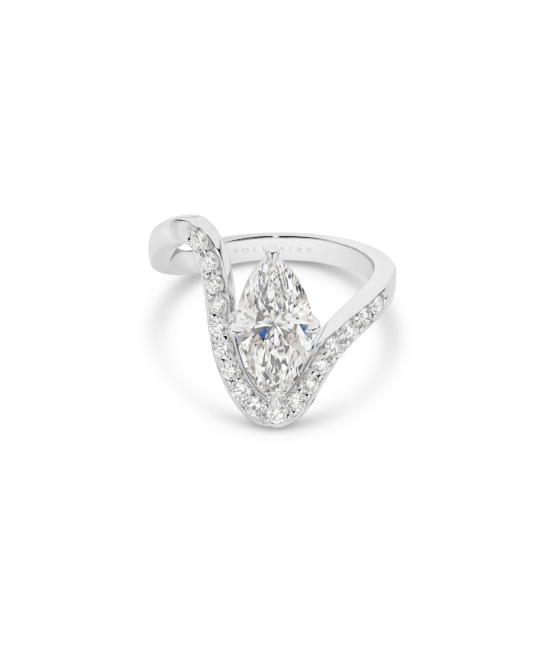 18k White Gold18K Yellow Gold18k Rose GoldPlatinum
18 Karat White, Yellow, Rose Gold or Platinum
From $8,140.00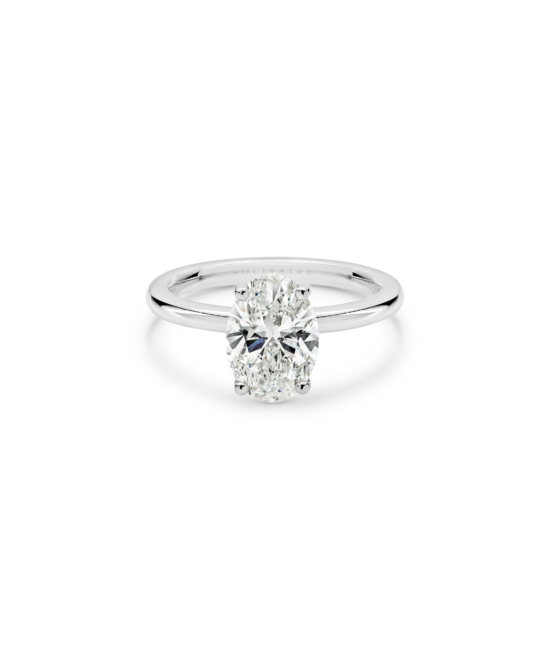 18k White Gold18K Yellow Gold18k Rose GoldPlatinum
18 Karat White, Yellow, Rose Gold or Platinum
From $4,640.00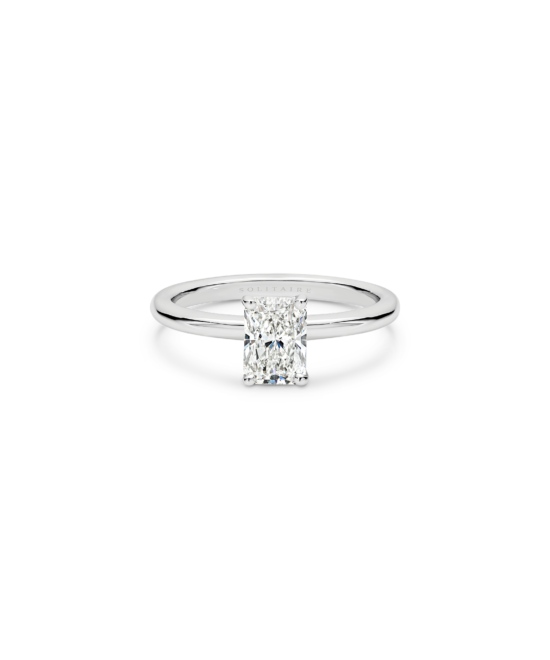 18k White Gold18K Yellow Gold18k Rose GoldPlatinum
18 Karat White, Yellow, Rose Gold or Platinum
From $4,640.00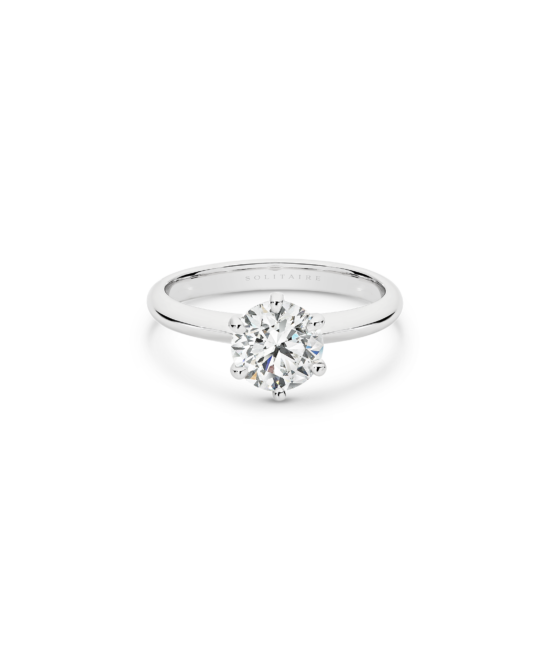 18k White Gold18K Yellow Gold18k Rose GoldPlatinum
18 Karat White, Yellow, Rose Gold or Platinum
From $4,640.00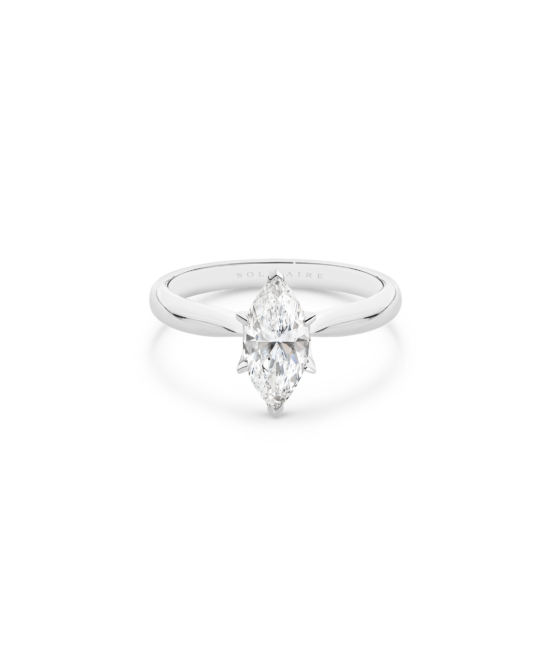 18k White Gold18K Yellow Gold18k Rose GoldPlatinum
18 Karat White, Yellow, Rose Gold or Platinum
From $4,640.00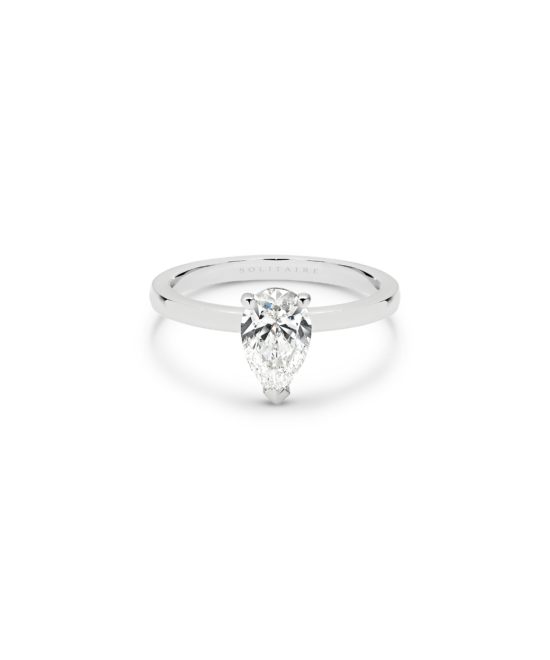 18k White Gold18K Yellow Gold18k Rose GoldPlatinum
18 Karat White, Yellow, Rose Gold or Platinum
From $4,640.00 18k White Gold18K Yellow Gold18k Rose GoldPlatinum
18 Karat White, Yellow, Rose Gold
$8,000.00 18k White Gold18K Yellow Gold18k Rose GoldPlatinum
18 Karat White, Yellow, Rose Gold or Platinum
From $5,140.00 18k White Gold18K Yellow Gold18k Rose GoldPlatinum
18 Karat White, Yellow, Rose Gold or Platinum
From $4,800.00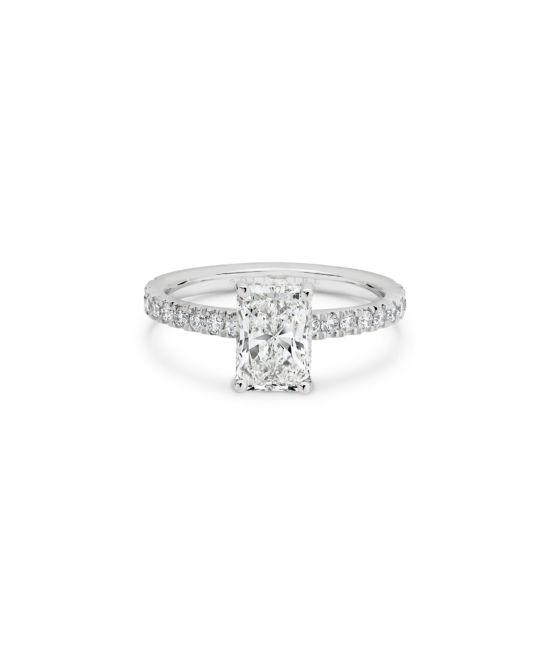 18k White Gold18K Yellow Gold18k Rose GoldPlatinum
18 Karat White, Yellow, Rose Gold or Platinum
From $6,040.00 18k White Gold18K Yellow Gold18k Rose GoldPlatinum
18 Karat White, Yellow, Rose Gold or Platinum
From $6,040.00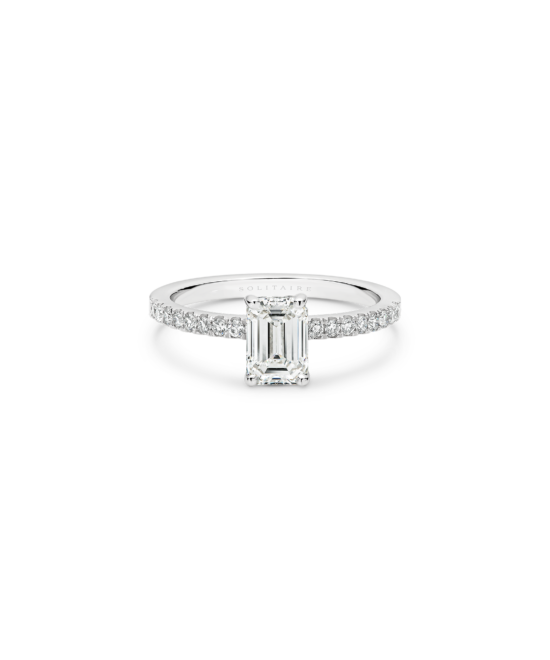 18k White Gold18K Yellow Gold18k Rose GoldPlatinum
18 Karat White, Yellow, Rose Gold or Platinum
From $5,640.00 18k White Gold18K Yellow Gold18k Rose GoldPlatinum
18 Karat White, Yellow, Rose Gold or Platinum
From $5,640.00 18k White Gold18K Yellow Gold18k Rose GoldPlatinum
18 Karat White, Yellow, Rose Gold or Platinum
From $5,640.00Lab grown engagement rings offer certified diamonds, strong design flexibility, and a traceable origin. Solitaire Jewellery offers lab grown diamond styles in 18K gold and platinum, with options across solitaire, halo, trilogy, diamond band, and custom designs.
Lab grown engagement rings appeal to couples who want diamond quality, clear certification, and more control over the final design. A lab grown diamond has the same chemical structure as a mined diamond, but it forms in a controlled laboratory setting rather than underground.
Solitaire Jewellery uses IGI certified stones for lab grown engagement rings. Each certificate records key details such as cut, colour, clarity, and CT weight, which helps couples compare stones with more confidence before choosing a setting.
Lab created diamond engagement rings also give couples more flexibility around size and budget. Many choose a larger CT weight, a more detailed setting, or a higher grade stone while staying within their planned spend.
Labs create diamonds through two main methods. CVD uses carbon rich gas and heat to grow diamond layers inside a chamber. HPHT uses high pressure and high temperature to form a diamond crystal.
Both methods produce diamonds with the same core properties as mined diamonds. After growth, specialists cut and polish each stone, then a grading laboratory assesses its quality. This process gives couples clear information about the stone before they choose the ring.
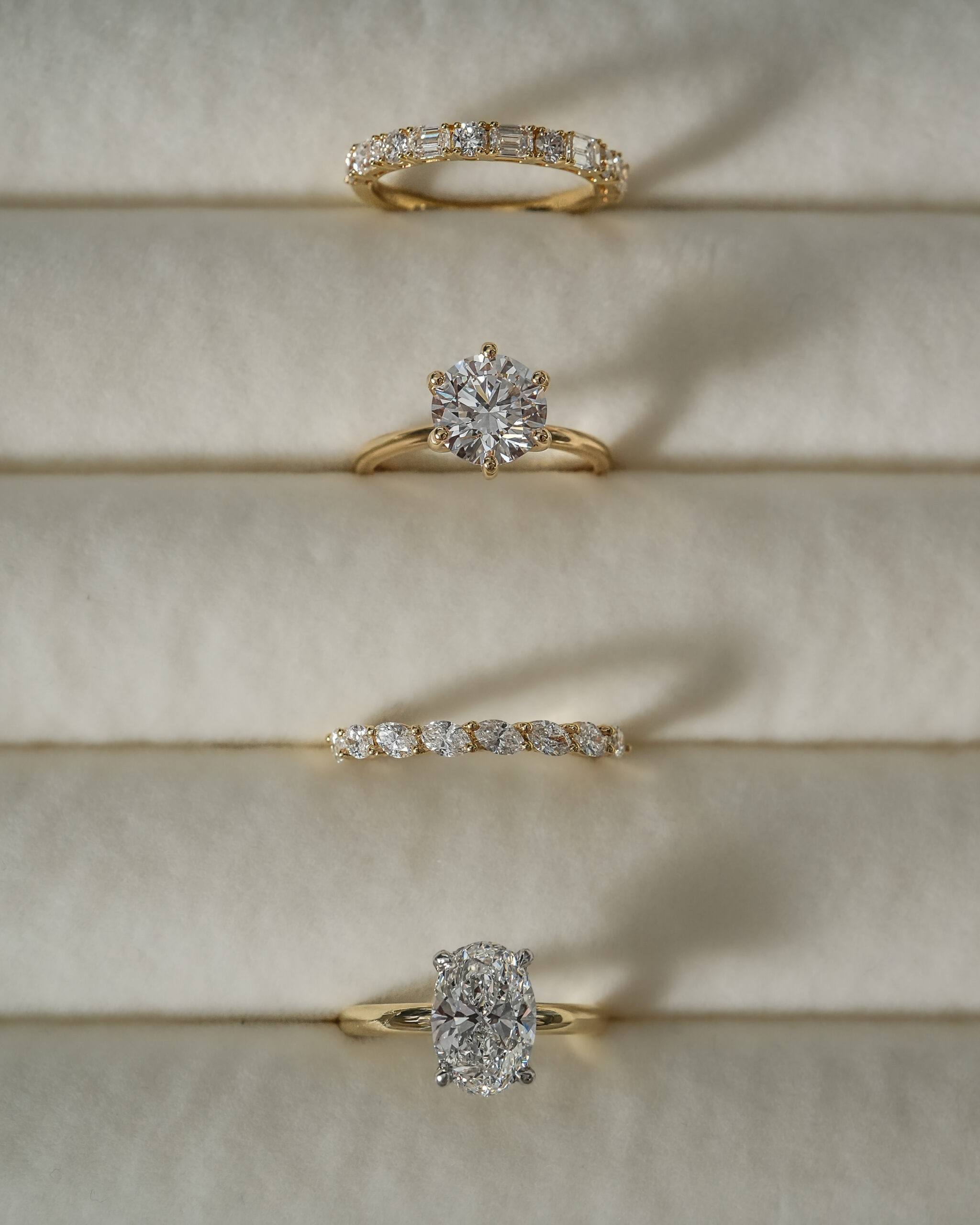
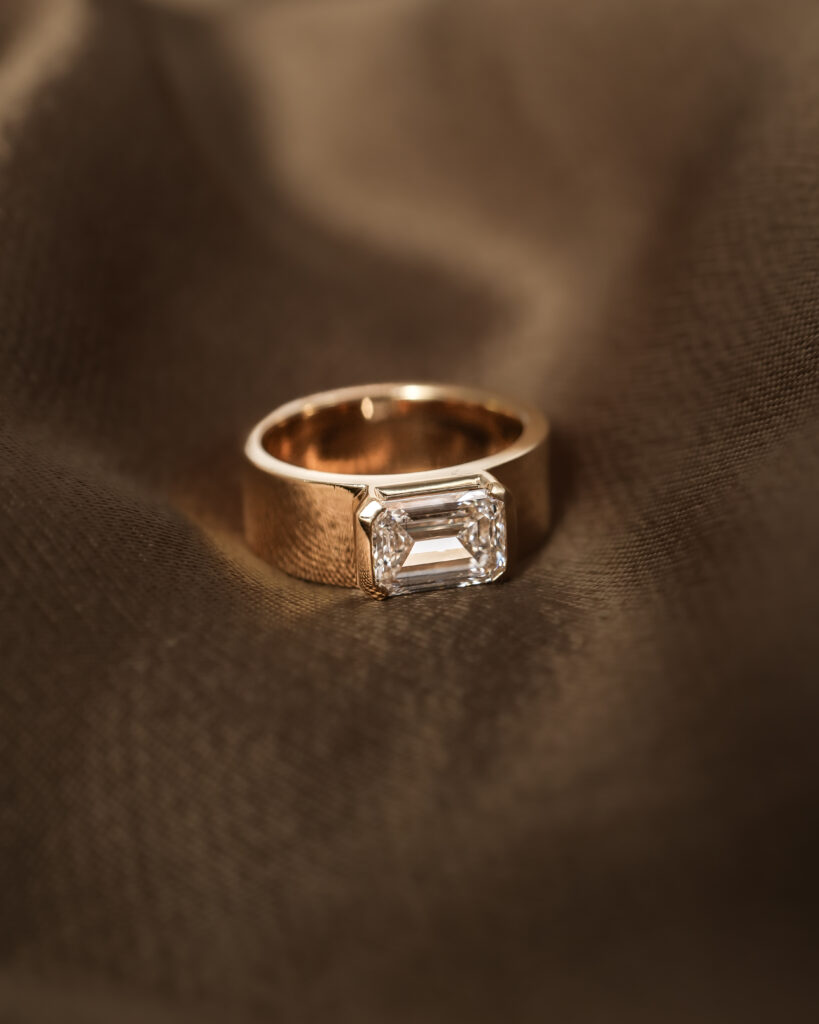
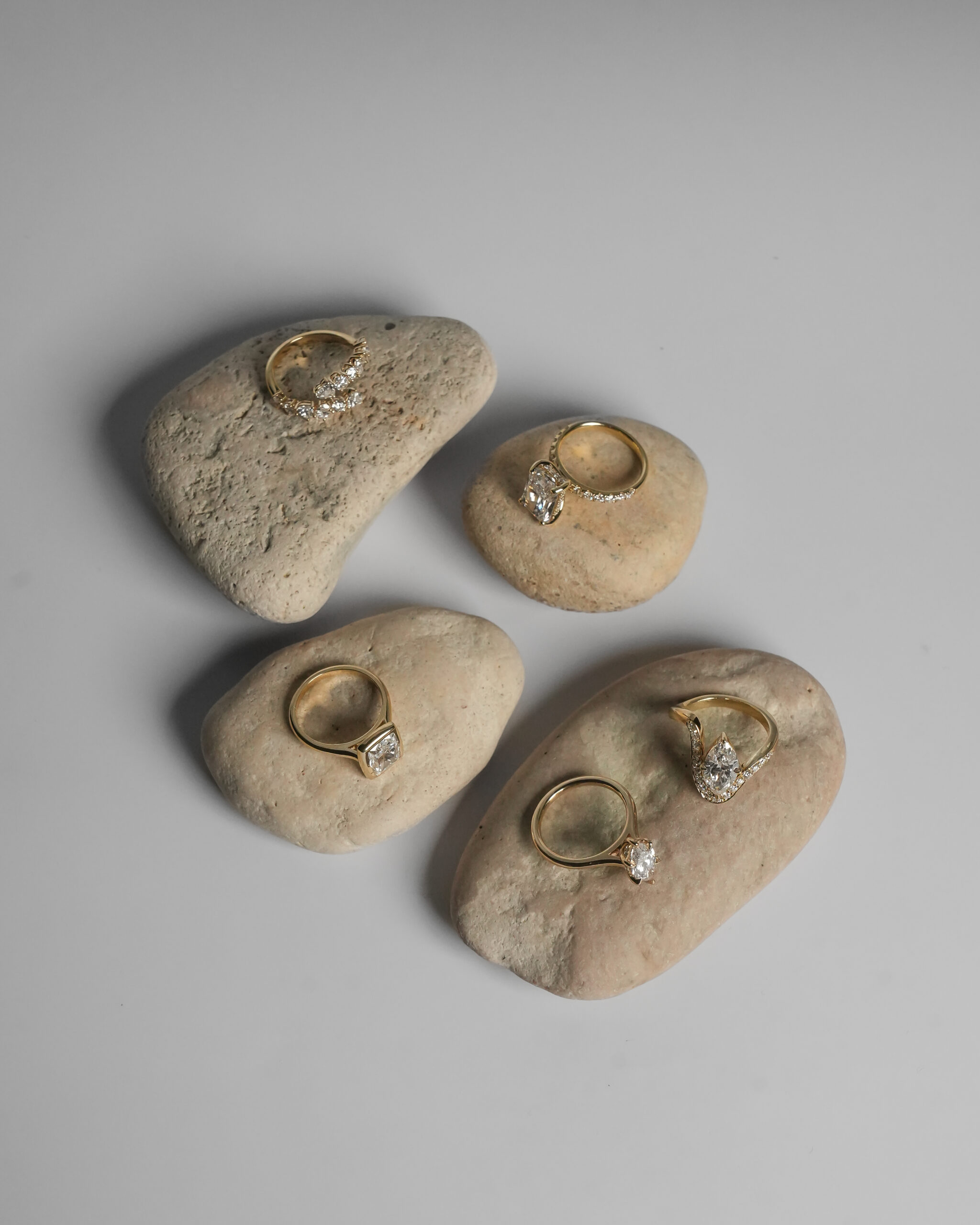
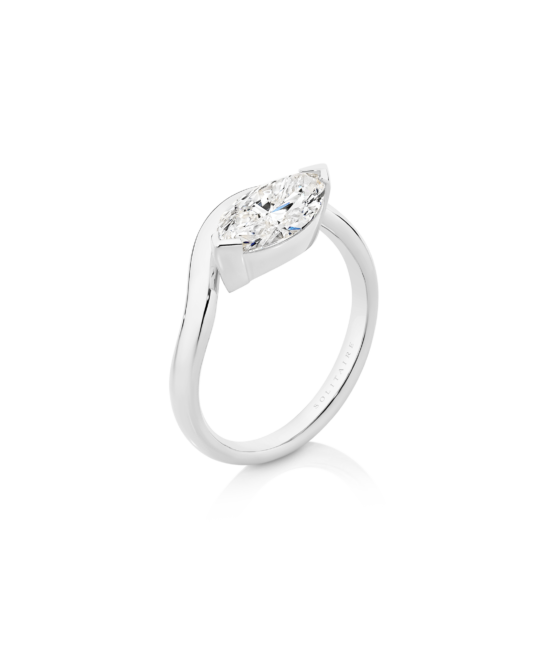
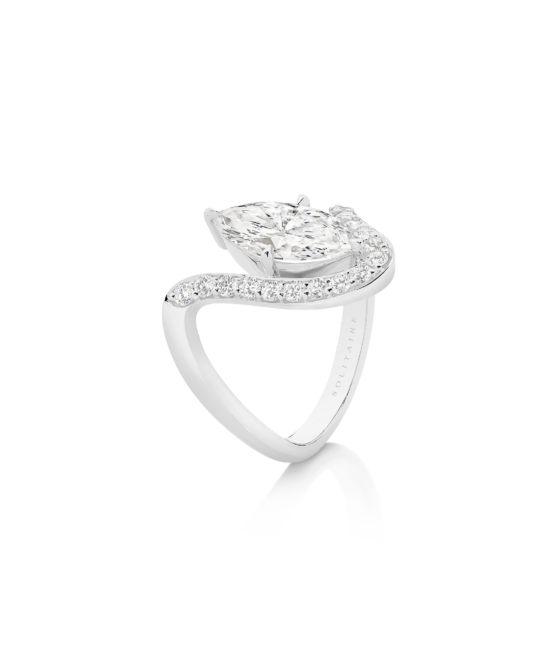
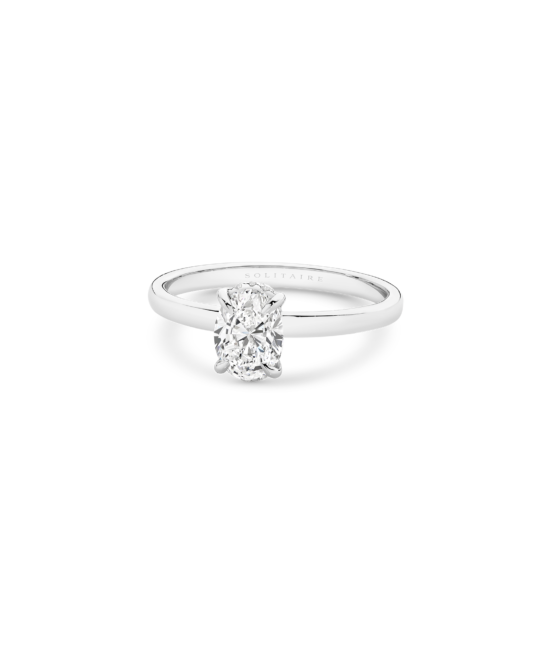
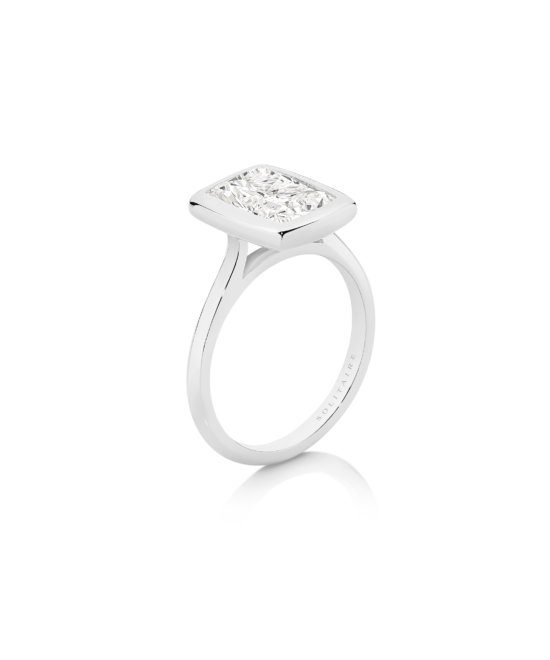
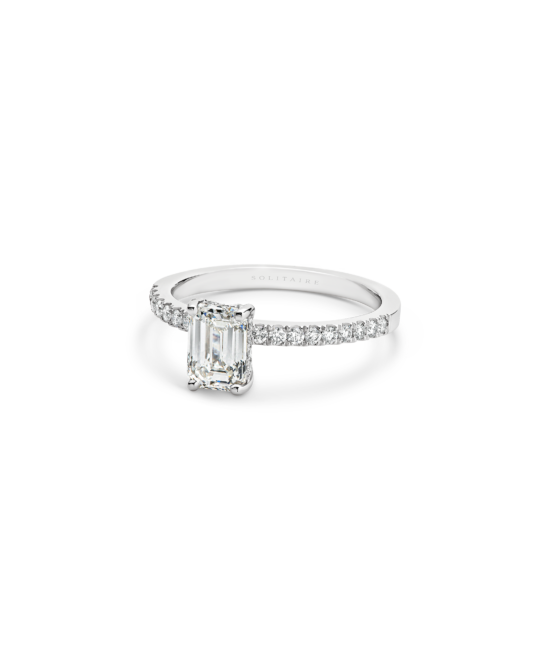
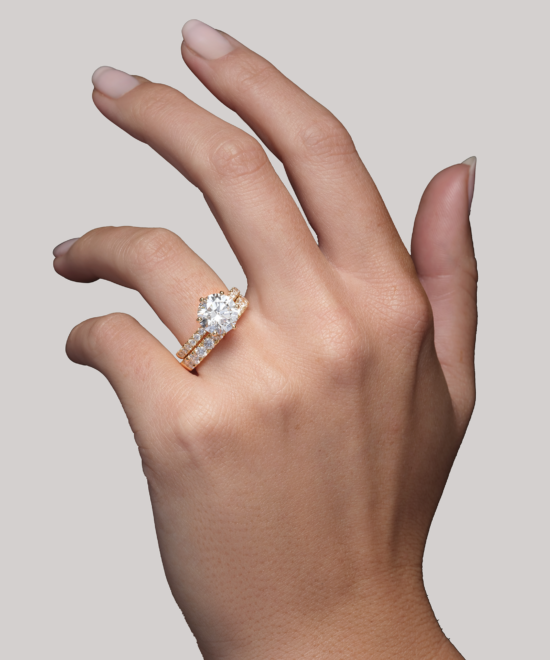
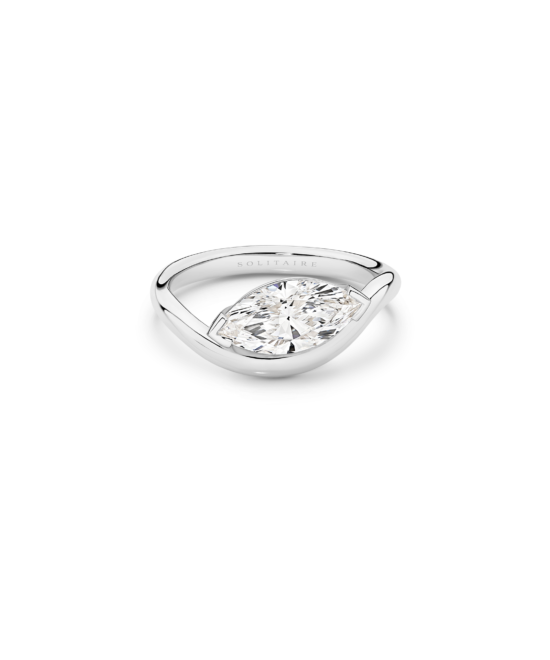
Lab grown engagement rings come in many settings. Solitaire rings keep attention on one centre diamond. Halo and hidden halo settings add smaller diamonds around or beneath the centre stone. Trilogy settings feature three stones, while diamond band designs add detail along the shoulders of the ring.
Metal choice changes the overall look. 18K yellow gold gives a warmer finish. 18K white gold creates a cooler setting. 18K rose gold softens the appearance of the diamond. Platinum suits couples who prefer a heavier metal and strong long term wear.
Couples who like warmer tones may compare a rose gold engagement ring before choosing the final metal. Those who want more control over stone shape, CT weight, and setting height often begin with a custom engagement ring so the design fits the hand and the wedding band.
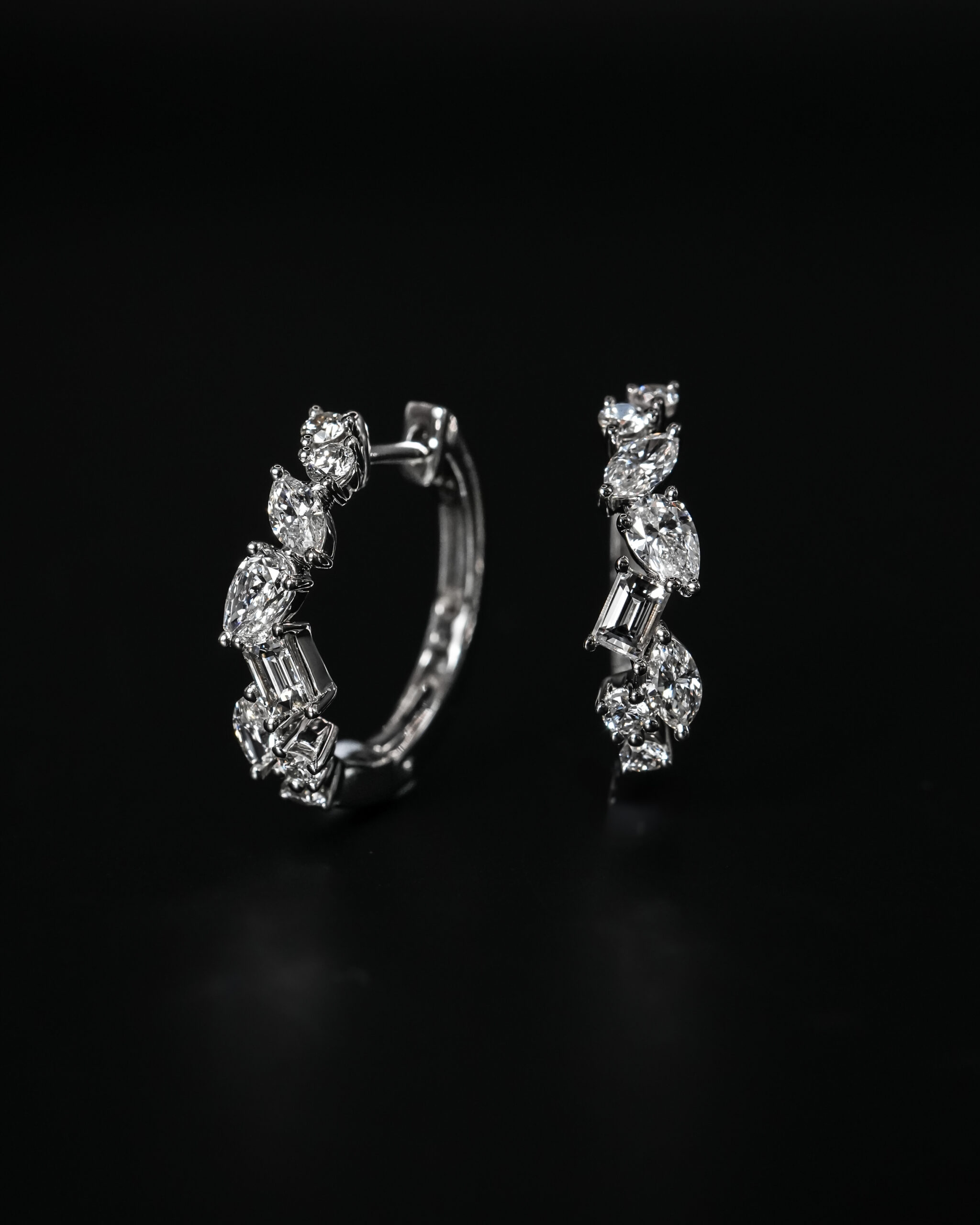
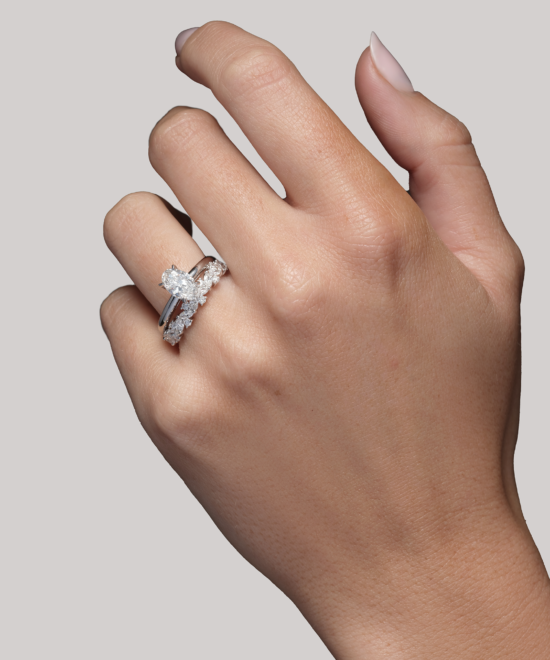
An engagement ring often guides the rest of the wedding jewellery. Couples planning the full set may keep the same gold tone across women’s wedding bands and wedding earrings for bridesmaids. This keeps the styling consistent without forcing each piece to match exactly.
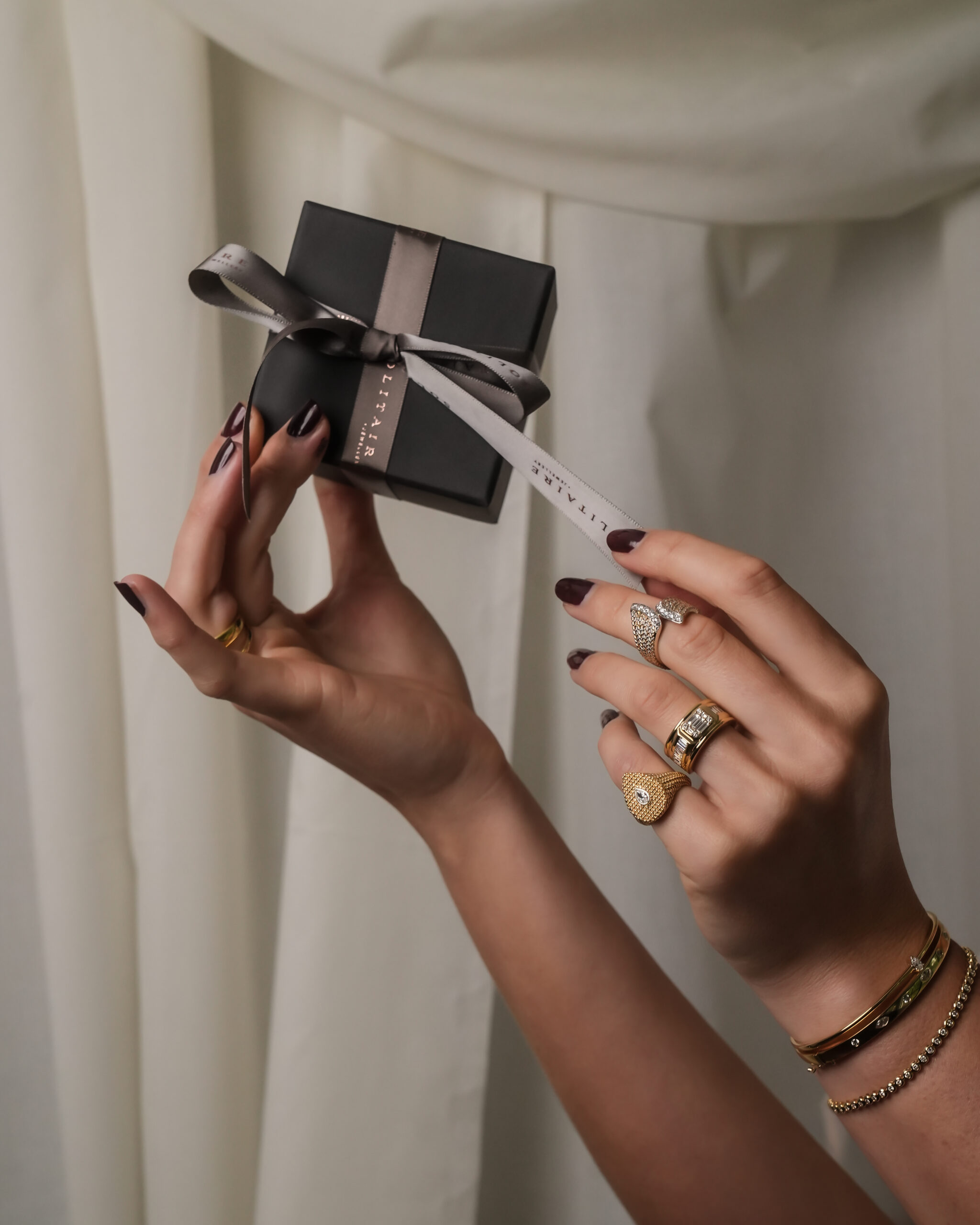
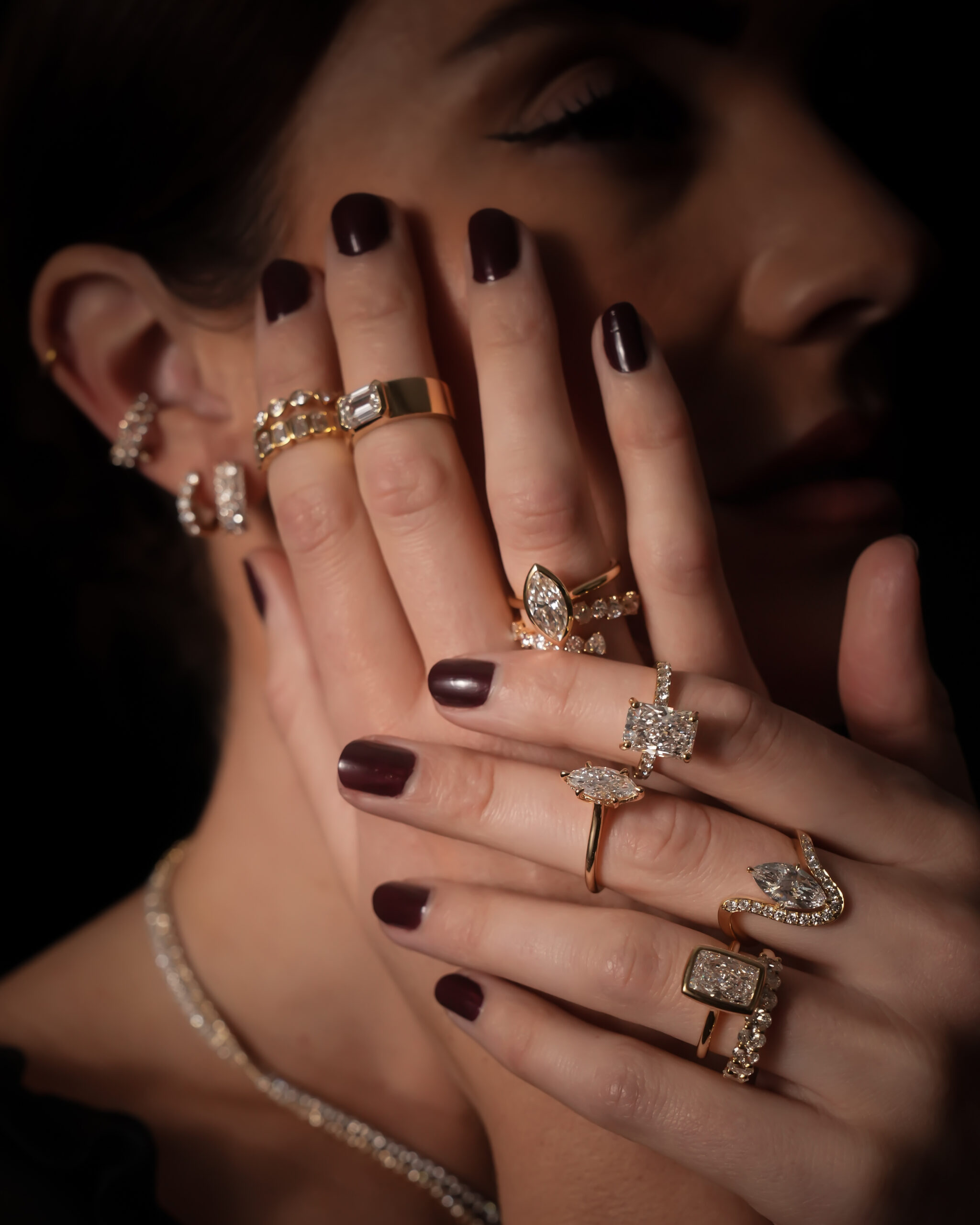
Someone who already wears a gold statement ring may prefer a lab grown engagement ring with a cleaner band, especially if they want the centre stone to remain the main detail.
The four main diamond grades still matter for lab grown diamonds. Cut affects how the stone handles light. Colour measures how white or warm the diamond appears. Clarity refers to natural marks inside or outside the stone. CT weight measures size by weight.
IGI certification gives these details in a clear format. Couples can compare stones properly instead of relying on appearance alone. This helps when choosing between similar diamonds or deciding where to prioritise budget.
A lab grown diamond engagement ring needs regular care to keep the setting secure and the stone clear. Clean the ring with warm water, mild soap, and a soft brush. Dry it fully with a soft cloth before storing.
Avoid chlorine, harsh cleaning products, and abrasive surfaces. Book professional checks to confirm that claws, settings, and diamond bands remain secure through regular wear.
Lab grown diamonds form in a controlled laboratory setting. They have the same chemical structure as mined diamonds and receive grading for cut, colour, clarity, and CT weight.
Labs use CVD or HPHT methods. CVD grows diamond layers from carbon rich gas. HPHT uses high pressure and high temperature to form a diamond crystal.
Yes. A lab grown diamond has the same hardness and core structure as a mined diamond, so it suits daily wear in an engagement ring.
Yes. Couples can choose diamond shape, CT weight, metal, setting style, band width, and other details through a custom engagement ring process.
Clean it with warm water, mild soap, and a soft brush. Store it separately from other jewellery and book regular setting checks with a jeweller.
Look for a recognised grading certificate. Solitaire Jewellery uses IGI certified stones for lab grown diamonds, which records key details such as cut, colour, clarity, and CT weight.
Bespoke Enquiry
Our knowledgeable team will guide you through selecting responsibly sourced natural diamonds that are GIA- certified stones, focusing on cut, colour, clarity, and carat.
Whether you prefer a classic engagement ring or something more detailed, our experts are dedicated to turning your vision into a timeless masterpiece.
Fill out the form and upload a photo of your inspiration below.
Please note we do not offer exchanges or returns on bespoke orders.