METRO MELBOURNE RECEIVES COMPLIMENTARY HAND DELIVERY
INTERSTATE RECEIVES COMPLIMENTARY DELIVERY BY FEDEX

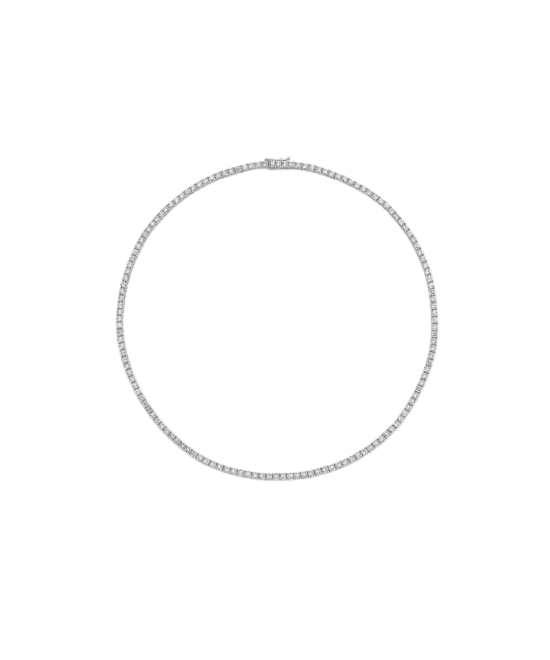
 18k White Gold
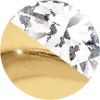 18K Yellow Gold
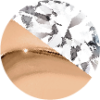 18k Rose Gold
18-Karat White, Yellow or Rose Gold
$19,800.00 18k White Gold18K Yellow Gold18k Rose Gold
18-Karat White, Yellow or Rose Gold
$18,800.00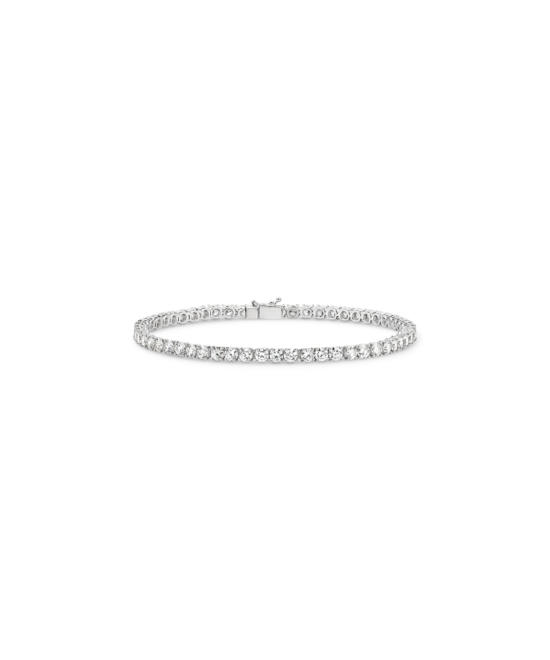 18k White Gold18K Yellow Gold18k Rose Gold
18-Karat White, Yellow or Rose Gold
From $8,000.00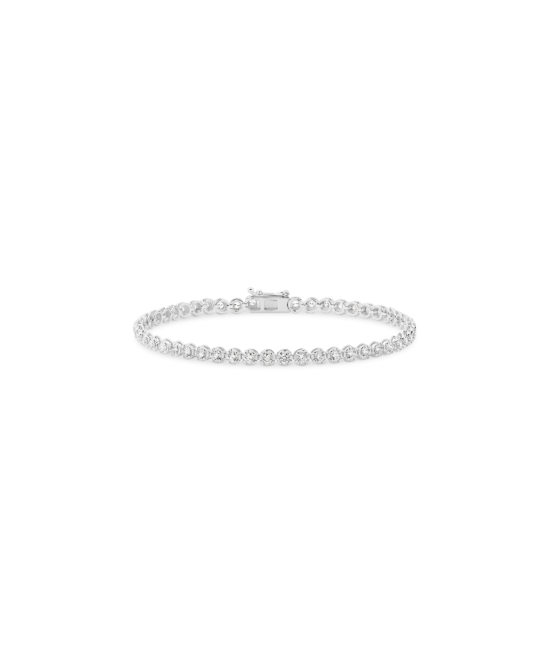 18k White Gold18K Yellow Gold18k Rose Gold
18-Karat White, Yellow or Rose Gold
From $5,600.00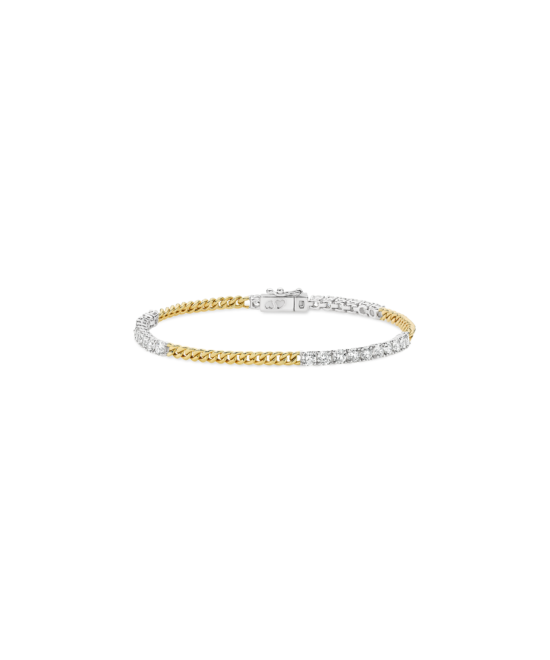 18k White Gold
 18k Two-Tone Yellow Gold
 18k Two-Tone Rose Gold
18-Karat White, Yellow or Rose Gold
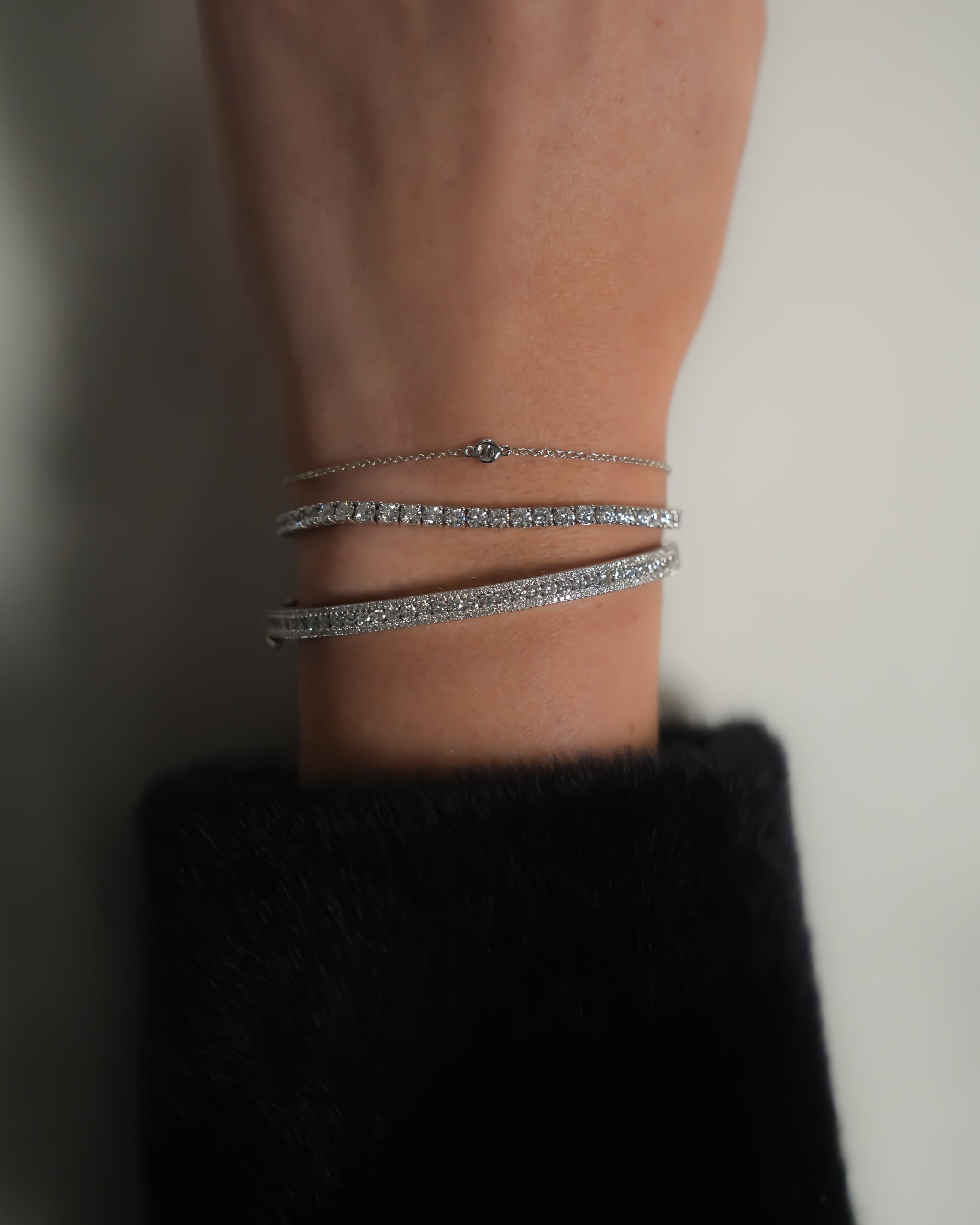
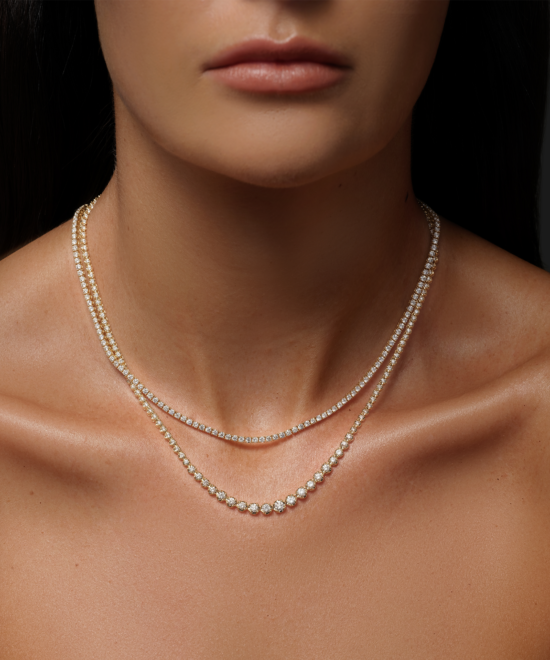
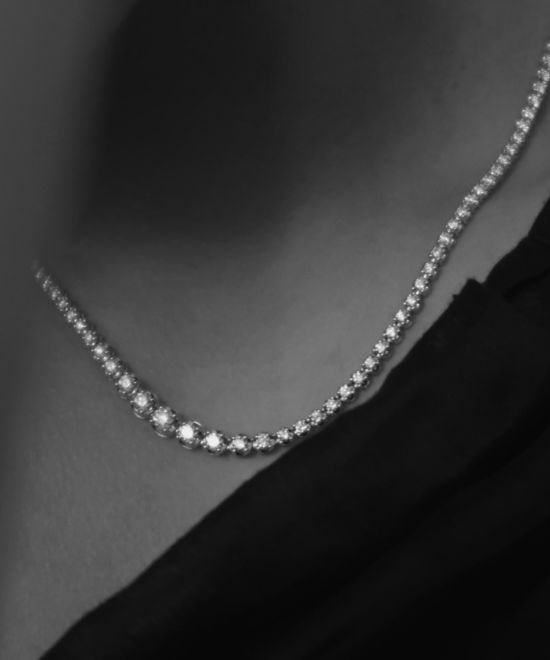
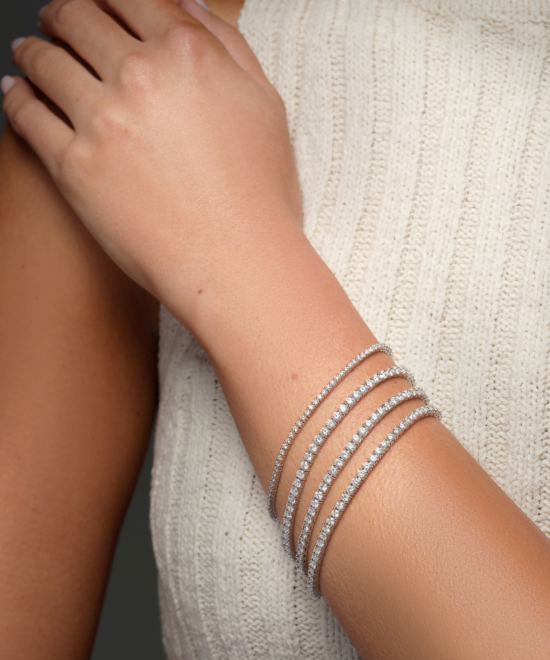
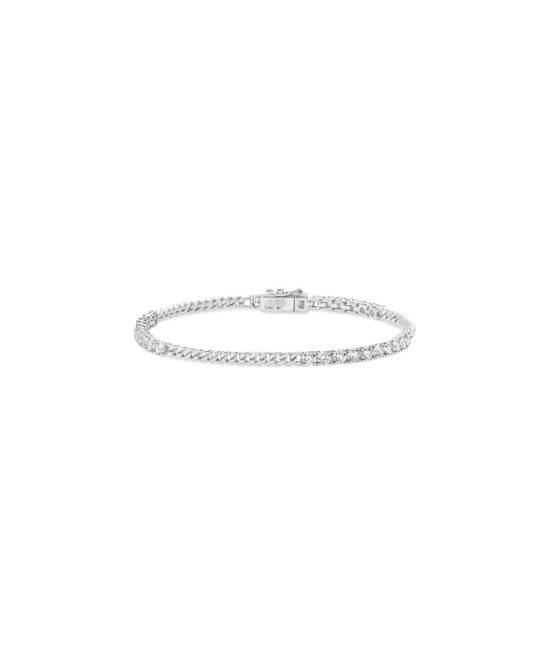
$10,650.00Tennis jewellery in Australia continues to grow as a go-to choice for both daily wear and special occasions. A tennis bracelet offers a clean line of diamonds that sits comfortably on the wrist, while a tennis necklace creates a stronger focal point at the neckline.
Many buyers compare tennis styles with other necklaces when deciding how much detail they want in their look. Some wear one piece daily, while others reserve tennis jewellery for events.
Tennis jewellery is commonly made in 18 karat white, yellow, or rose gold. Each metal offers a different finish.
Diamond consistency plays a key role. Each stone is selected to sit evenly in colour, clarity, and cut so the line appears balanced from end to end. Round brilliant diamonds are most common, though some buyers compare layouts with diamond necklaces when exploring different diamond arrangements.
Flexible links allow the piece to sit naturally, while secure clasps support regular wear. Setting styles such as claw, bezel, and crown affect how the diamonds appear once worn.
Tennis jewellery works across a wide range of settings. A bracelet suits office wear, casual outfits, and evening looks. A tennis necklace pairs well with open necklines and structured outfits where the diamond line remains visible.
Some people rotate tennis pieces with lighter styles such as chain necklaces for daily wear, then switch to tennis designs for events and formal settings.
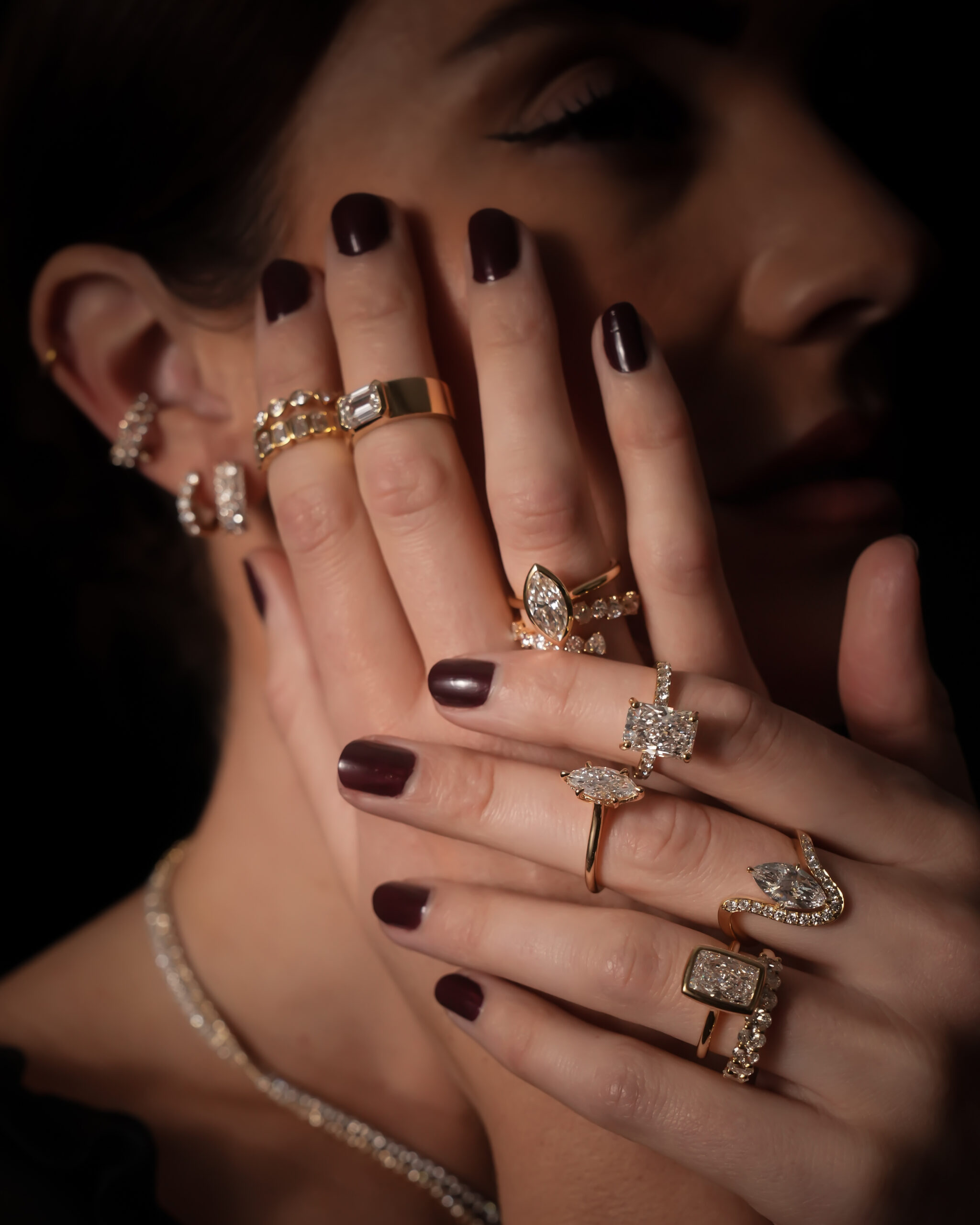
Balancing pieces helps keep the look clean. A tennis necklace works best with subtle earrings, while a tennis bracelet pairs well with rings when the wrist is not crowded.
Comparing Tennis Jewellery Styles
Setting style changes how tennis jewellery looks and feels when worn.
Claw set designs use small prongs to hold each diamond. This keeps more of the stone visible and creates a brighter, more open finish.
Bezel set designs surround each diamond with metal. This gives a smoother edge and a more contained look, with added coverage around each stone.
Crown set designs place diamonds close together to form a continuous surface. This creates a fuller line across the wrist or neckline and gives the piece more visual weight.
Some buyers review options across tennis necklaces to see how each setting style carries across different designs.
For bracelets:
For necklaces
Many compare these lengths with styles such as pendants to understand how different necklace types sit.
Regular care helps maintain the finish of tennis jewellery. Wipe pieces with a soft cloth after wear to remove oils and residue. Clean it with lukewarm water, mild soap, and a soft brush when it needs more than a surface wipe. Dry it fully before you put it away.
Store each piece flat in a lined box or a soft pouch. Keep it away from harder jewellery that may mark the metal or rub against the settings. Fasten the clasp before storage so the line stays straight and the links do not catch.
Start with how often you plan to wear the piece. Bracelets suit regular wear, while necklaces often suit occasions or statement styling.
Metal colour affects the overall look, while setting style affects how the diamonds appear. Some buyers also explore options such as personalised necklaces when choosing a piece that reflects personal meaning.
Jewellers usually make tennis jewellery in 18 karat white, yellow, or rose gold and set it with matched diamonds. Some custom orders also use different diamond cuts to change the overall look.
Measure the part of the body where the piece will sit. For bracelets, add about 1 cm to 1.5 cm to your wrist measurement. For necklaces, test the drop with a tape or string so you can see where the line will sit on the neckline.
Tennis jewellery works across both daily wear and formal settings. Bracelets fit easily into everyday outfits, while necklaces suit occasions where you want more visible detail at the neckline.
Bespoke Enquiry
Our knowledgeable team will guide you through selecting responsibly sourced natural diamonds that are GIA- certified stones, focusing on cut, colour, clarity, and carat.
Whether you prefer a classic engagement ring or something more detailed, our experts are dedicated to turning your vision into a timeless masterpiece.
Fill out the form and upload a photo of your inspiration below.
Please note we do not offer exchanges or returns on bespoke orders.